
ALL SAINTS NAPERVILLE
Our Vision
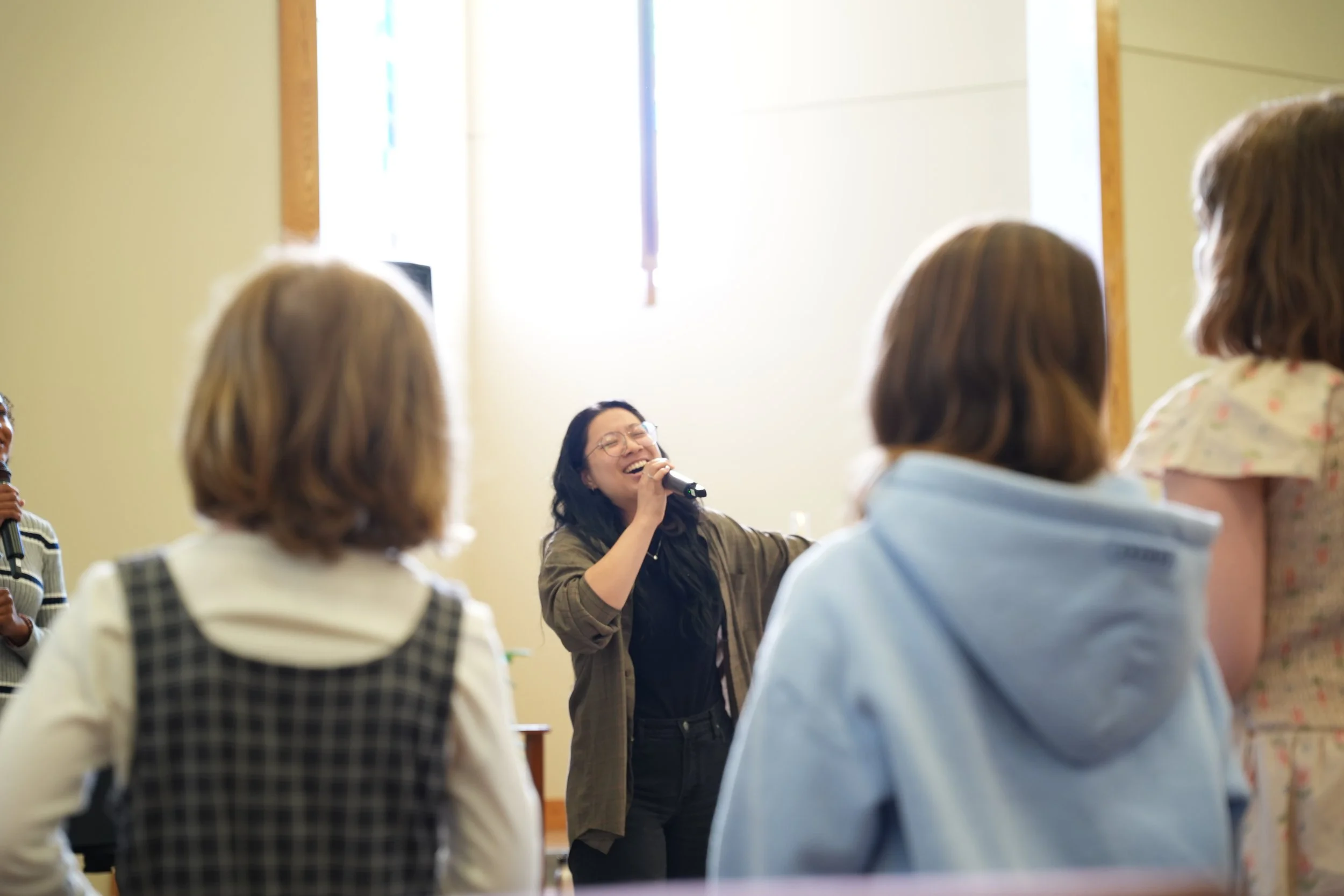
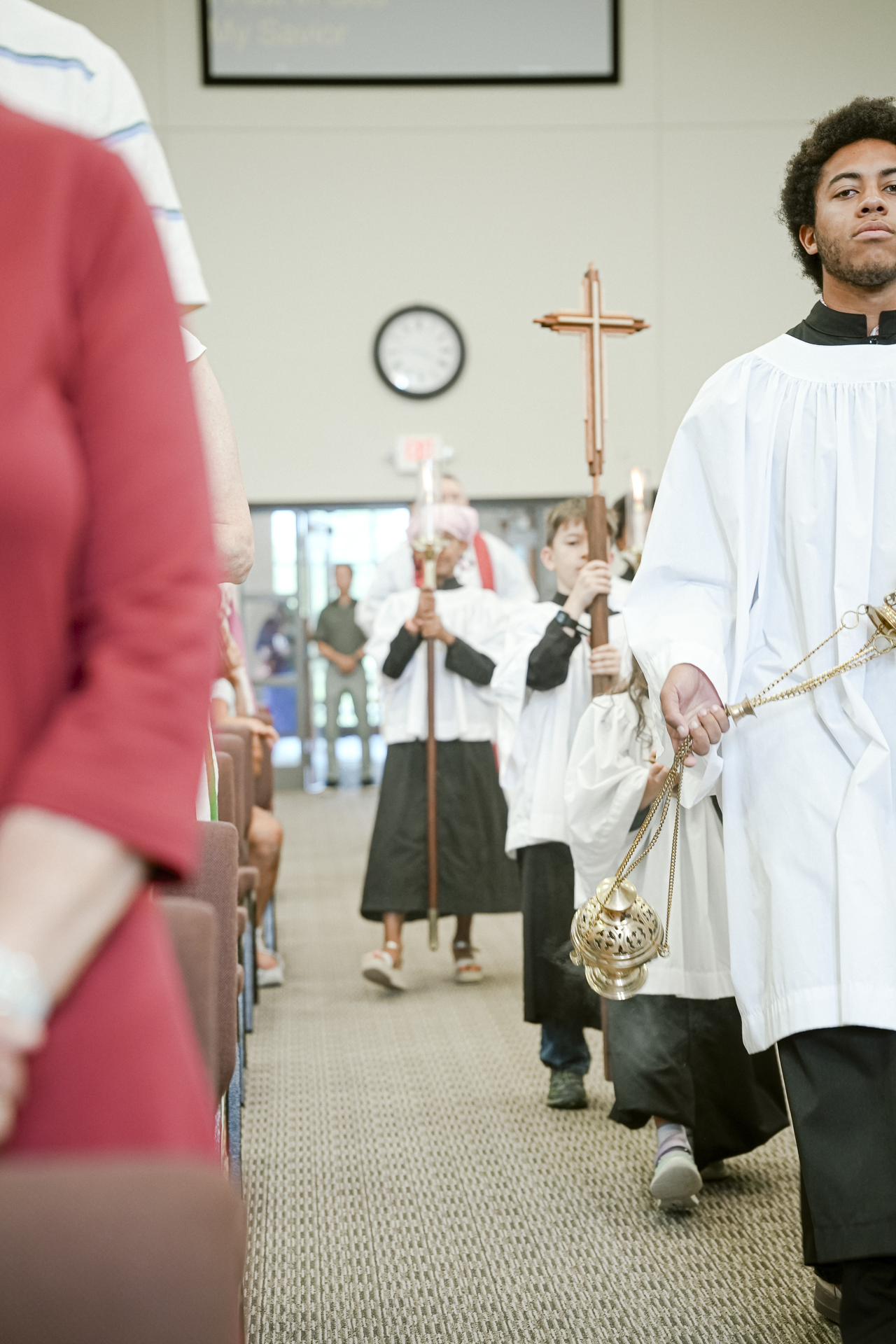
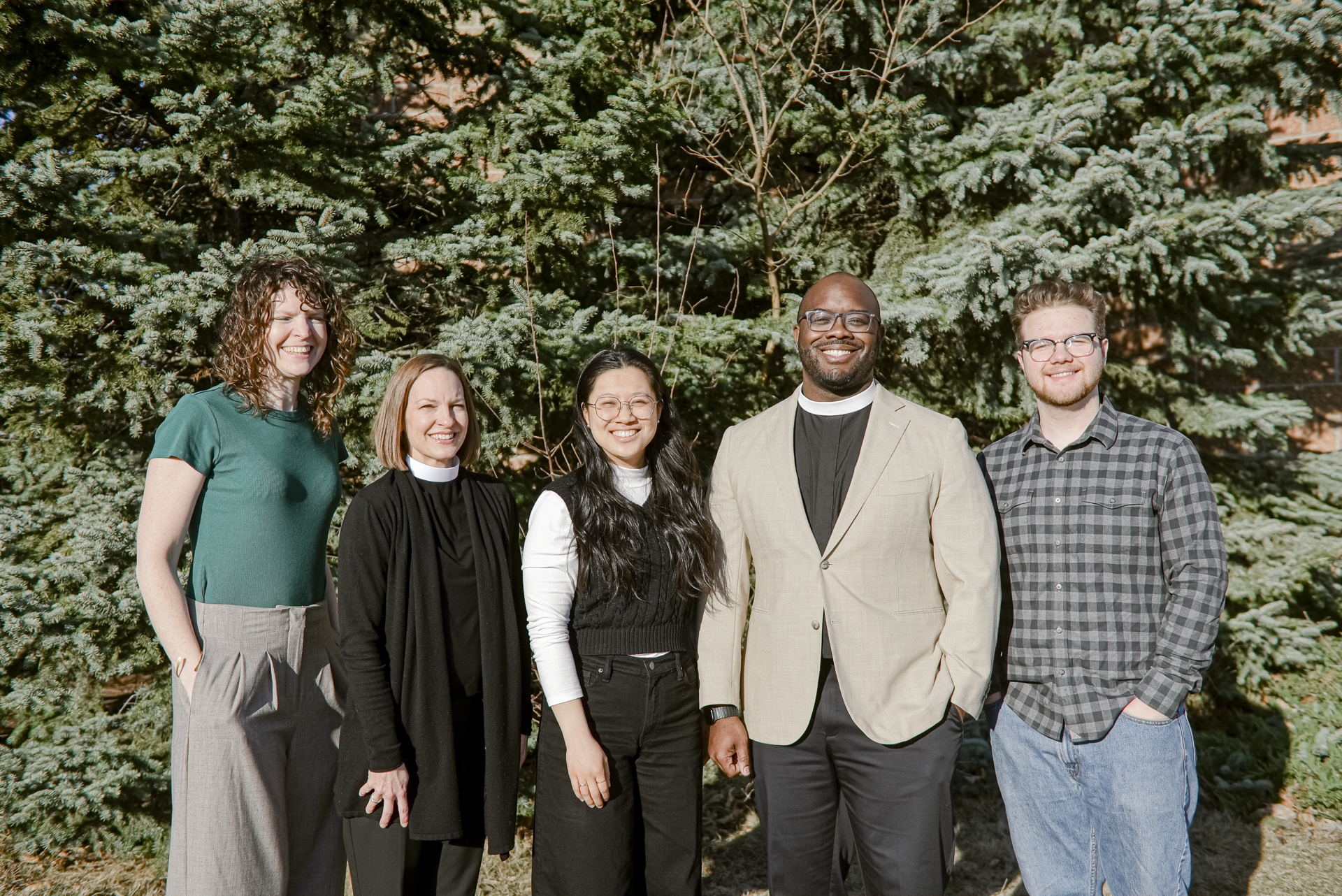
All Saints Naperville strives to be a biblically faithful, sacramental, multiethnic community serving Christ and His kingdom through sharing our faith, contending for justice, and caring for the suffering.
DISCOVER
All Saints’ Core Values
-
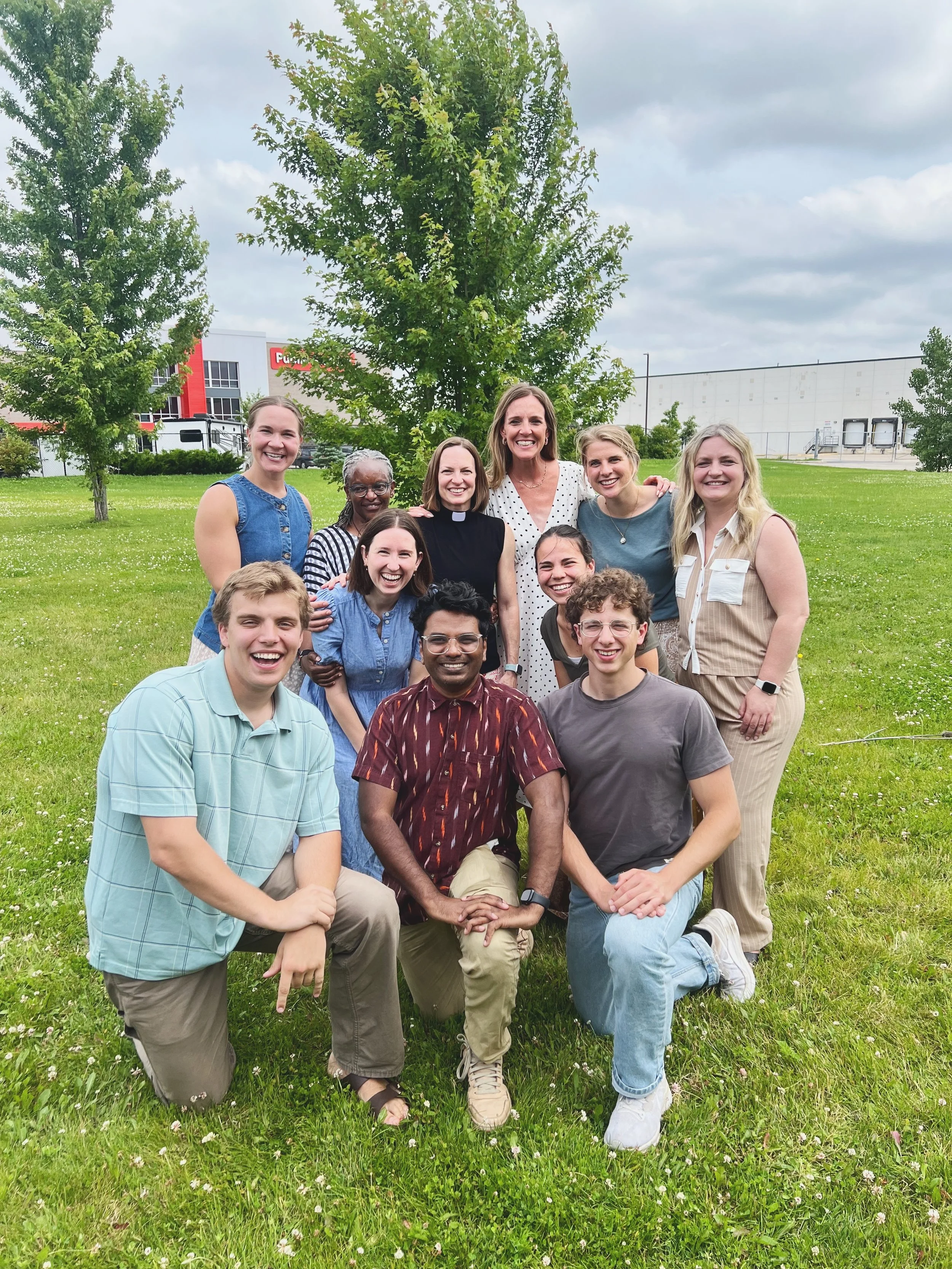
Being a Christian is hard. We believe that our faith is best lived out in relationships of mutual encouragement (Acts 2:42; Romans 1:11–12).
-
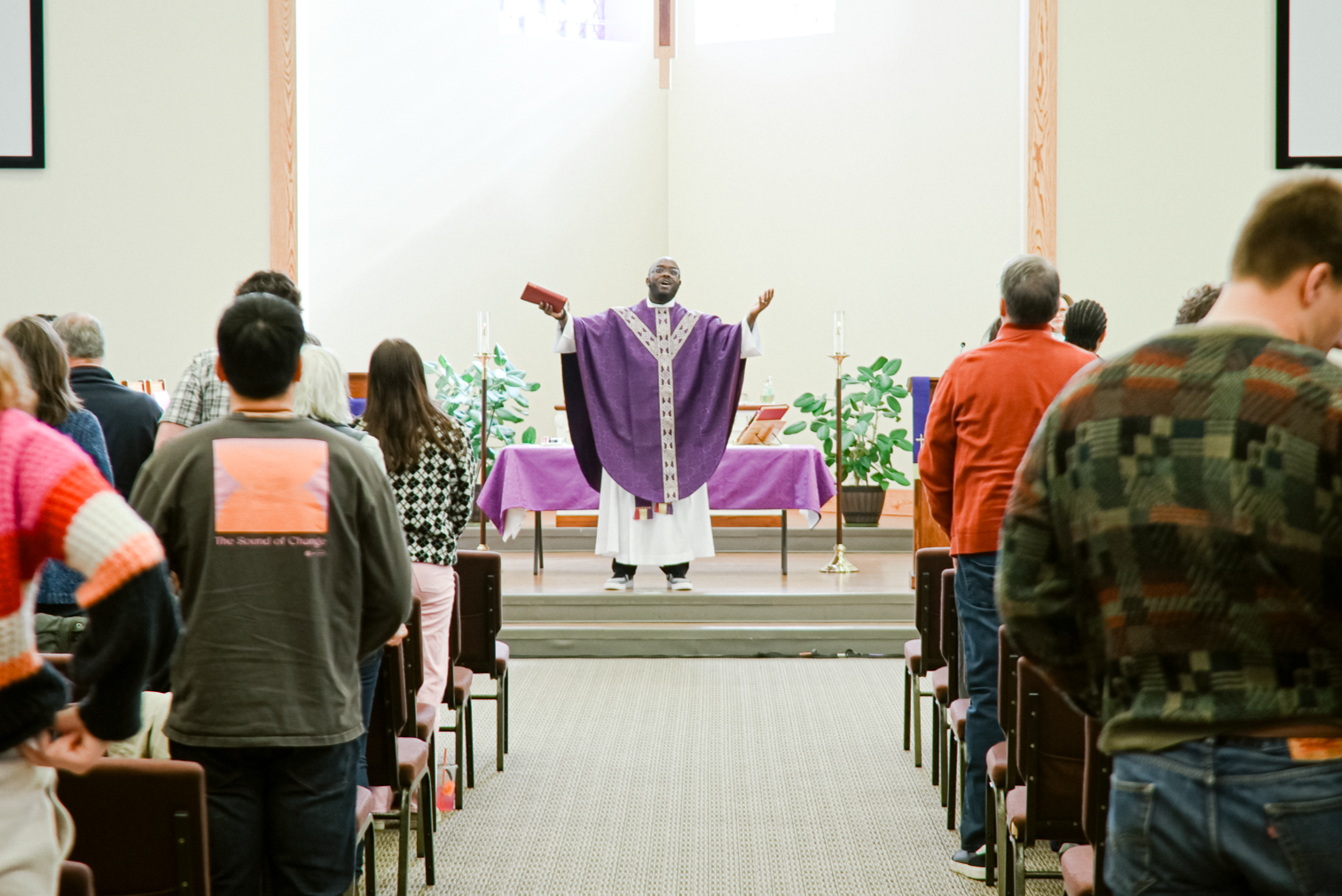
The church year, the creeds, the prayers, and the sacraments are tools of discipleship and formation that help us to serve Christ faithfully.
-
The gospel of the kingdom unites us across ethnic difference. Our unity testifies to the universal saving power of the gospel. (Rev. 7:9–14; Gal. 3:26–29; Gen. 12:1–3).
-
Being a Christian is hard. We believe that our faith is best lived out in relationships of mutual encouragement (Acts 2:42; Romans 1:11–12).
-
We value sharing our faith because we want people to experience the joy of a relationship with God (John 3:16; 1 John 1:3–4).
-
We value contending for justice because God’s kingdom is rooted in justice and righteousness. Our public witness ought to reflect these values (Psalm 99:1–4; Psalm 97:1–2; Luke 4:16–18; James 4:1–4; Isaiah 5:8; Dan. 4:27).
-
We value caring for the suffering because we serve a compassionate God who hears the cries of the needy (Ps. 82:1–4; Deut. 24:17; Matt. 25:31–40).
-
We do all these things in service to Christ and his kingdom because we believe following him is the path to lasting joy and life with God (John 10:10; 15:11; 4:14).
Our Story
-
I (Esau) come from a long line of black Baptist pastors. For a long time, I thought that I would join them. I began preaching at the age of 18 and planned on entering the ministry after college. While at university, I was exposed to the liturgy and riches of the Anglican tradition. Immediately, I had a vision for a multicultural, liturgical church. The year was 2001. I did not think that over two decades would pass before it came to fruition. Everything in God’s good timing.
In the intervening years, I got married to a wonderful woman (Mandy). She graduated from medical school and became a pediatrician for the U.S. Navy. We had four amazing children (Luke, Clare, Peter, Miriam).
Meanwhile, I was ordained a deacon and then a priest (2006). I served in parishes in Virginia, Japan, and Scotland. I also received a PhD in New Testament at the University of St Andrews and eventually took a teaching position at Wheaton College.
During that time, the vision of a multicultural Anglican church never went away. My wife and I prayed consistently over a period of years for an opportunity to bring this vision to reality, but consistently experienced a clear call to wait.
-
The story of All Saints Naperville began in England. Mandy, the kids, and I had been blessed with a place to stay outside of Oxford during my sabbatical from teaching. It was a wonderful time of prayer and reflection, as we discerned God’s call for our family.
Our time in England cemented our deep commitment to the Anglican way of forming Christians, but we did not fully know what that would mean moving forward. Shortly after our return from England, we shared our sense of calling with our Bishop, and the opportunity arose to plant a church in the Western Suburbs of Chicago.
From the beginning, the core values that have been building over decades became the guiding principles of our church.
First of all, we wanted to be unapologetic about our desire to pattern our lives and practice on the Word of God.
Secondly, we longed to embrace the Anglican way of spiritual formation through the sacraments, the liturgy, and the church calendar. We believed that the liturgy is a means of grace—a way of encountering God. We also hoped to see the liturgy be enculturated—fitted to our context. For us, that meant having music, preaching, and prayer that are expressive. We believed that it was okay to preach, sing, and pray with feeling. Musically, we envisioned a combination of classical hymns, gospel music, and Christian contemporary.
Third, we desired to be multiethnic in our makeup because we believe that the diversity of the church testifies to the universal saving power of the gospel.
Fourth, because we believe that Christianity is good news, we want to be a church that invites people into a life-changing relationship with Christ.
Finally, we were convinced that Jesus cares about our bodies and not just our souls. Therefore, we wanted to be a church that contends for justice and cares for the needy. We did not feel called to choose between justice and evangelism, or between caring for the poor and a focus on a personal relationship with Jesus. All those truths are found in the Scriptures and are part of the makeup of a healthy church. Because none of this can be done alone, we place a heavy emphasis on life together as a community of prayer, encouragement, and support.
-
These values eventually became the following vision statement:
All Saints Naperville strives to be a biblically faithful, sacramental, multiethnic community serving Christ and his kingdom through sharing our faith, contending for justice, and caring for the suffering.
In August of 2024, we began sharing that vision with friends and neighbors who resonated with that call and joined us.
-
The name All Saints was chosen for number of reasons. In the Anglican tradition, “saints” are people whose lives of heroic virtue serve as an example to us. Saints can be men or women, young or old, rich or poor. They come from a variety of cultures and contexts. Despite the fact that they come from different times and settings, they produced the same holiness that brings glory to God. Their unified testimony to the transforming power of the gospel reminds us that holiness is still possible in our day. We can run after the God who first came running after us.
We chose the city of Naperville after a period of prayer. Put simply, Naperville seemed good to the Holy Spirit and to us. More practically, it did give us the opportunity to live out our vision to be a multiethnic church. Naperville has a population of around 150,000 people. Thirty five percent of its residents are ethnic minorities (52,000). We want to plant a church that looks like the city (and surrounding area) in which we reside.
-
After a few months of vision-casting, meetings for prayer, and planning, we held our first preview service (and baptism) on November 3rd, 2024 (All Saints Sunday). We met bimonthly from the fall of 2024 through early 2025. We launched weekly services on April 6th 2025. We are excited about the work God has done and will do in our midst. Come join us!
What is Anglicanism?
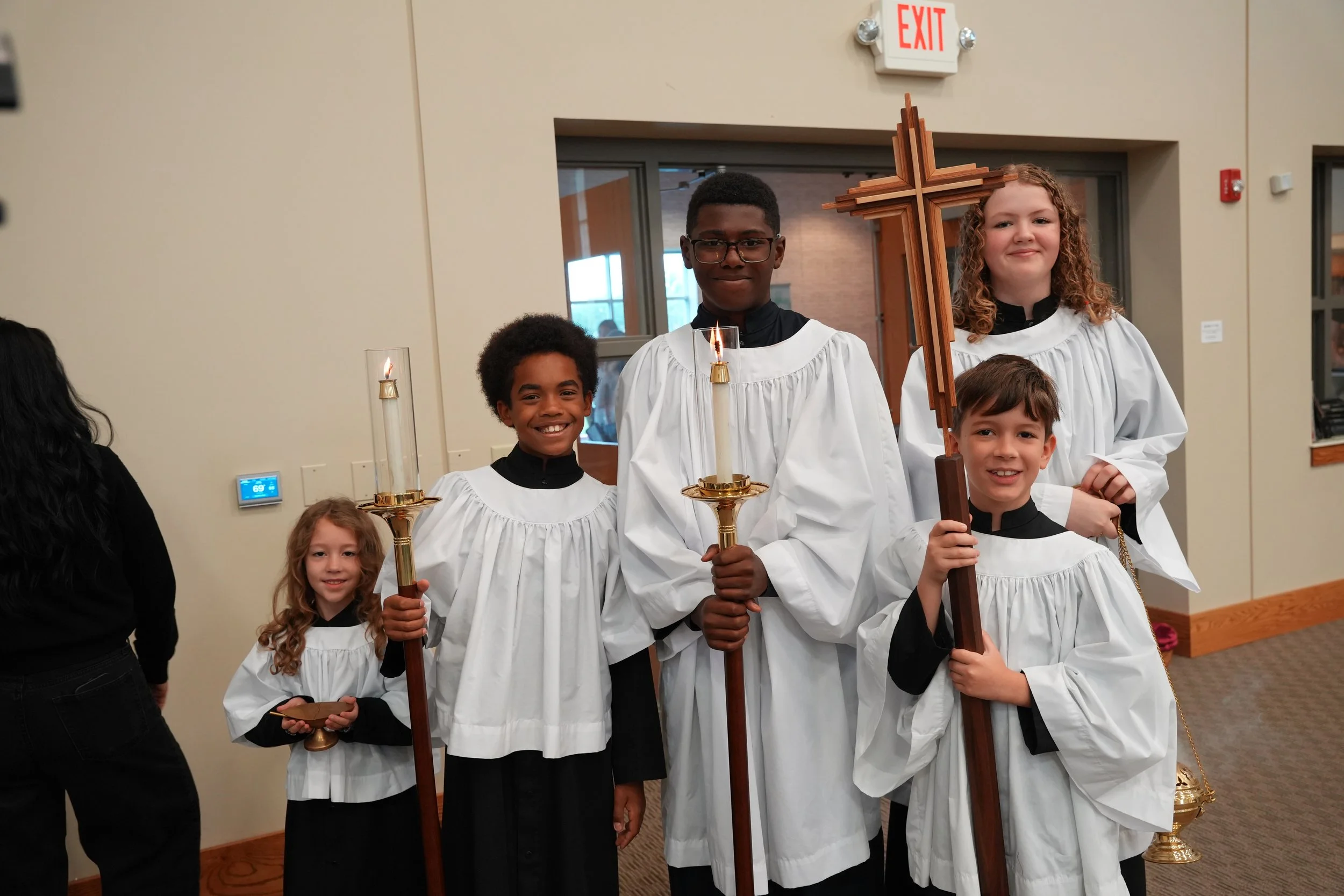
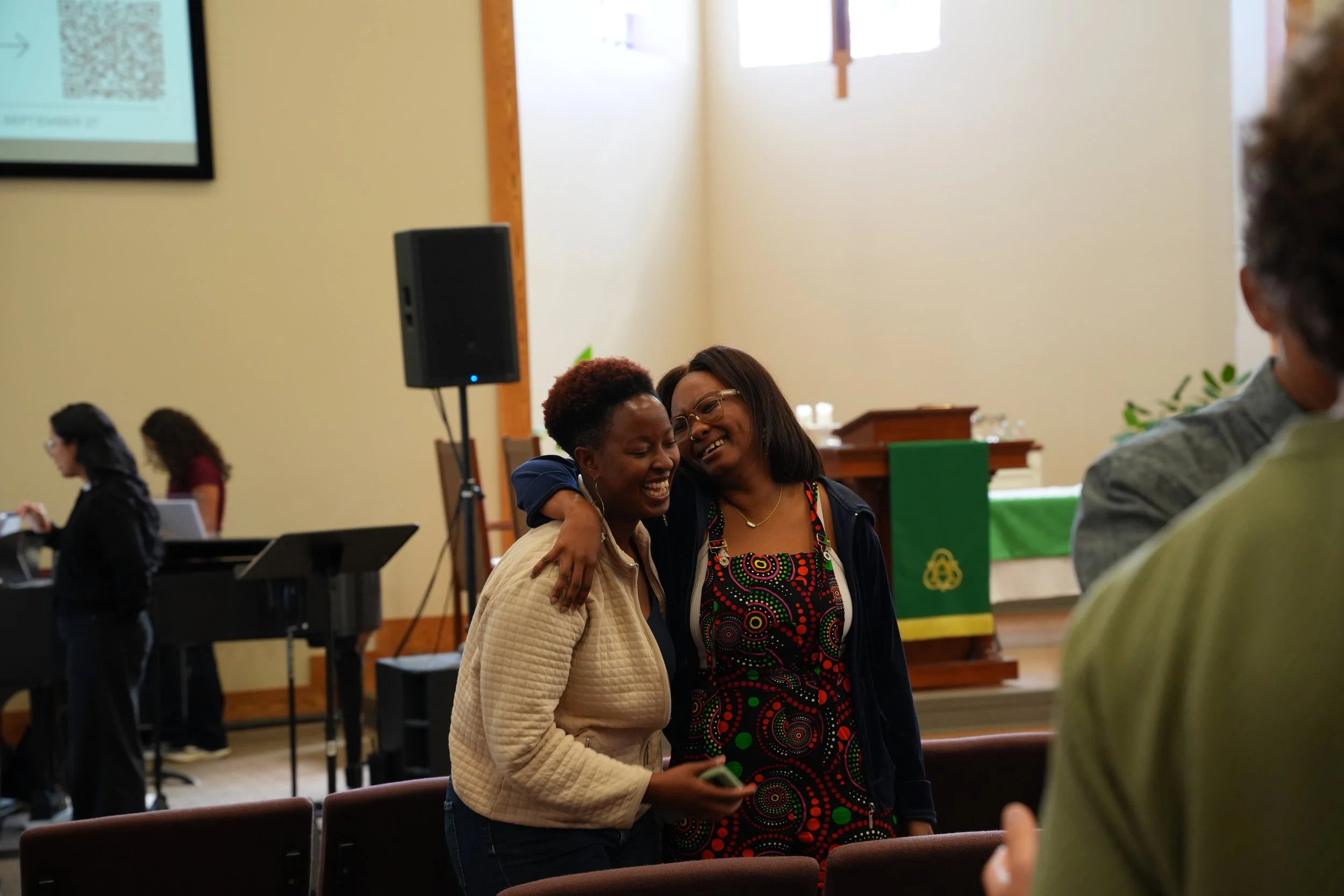
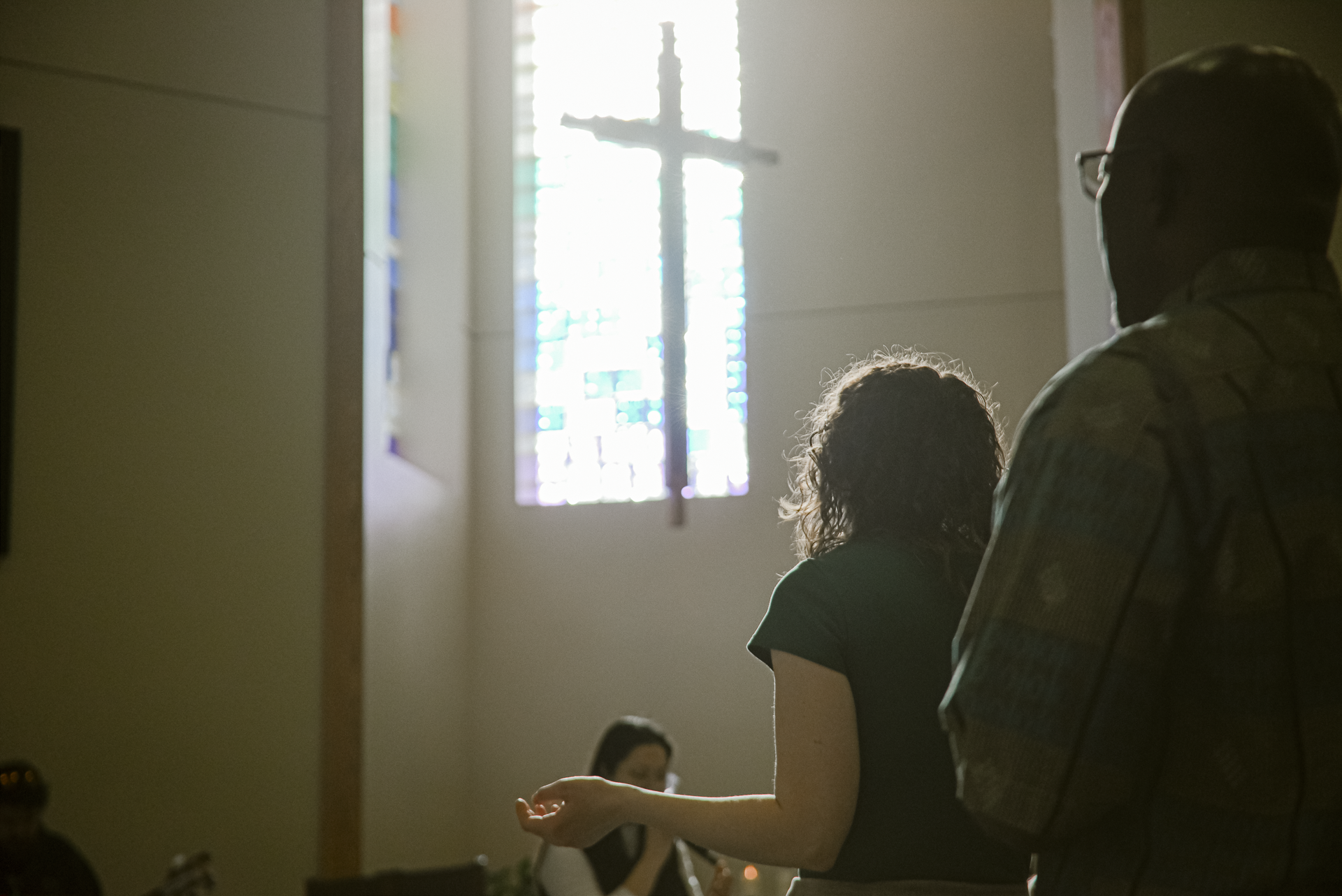
Anglicanism began in England but, “When Anglicans resettled in new lands, they brought their personal faith with them. Chaplains and pastors were often among their number. Additionally, many Anglicans traveled as missionaries to share the Gospel. Consequently, Anglican churches now exist all over the world in more than 165 countries. As Anglican Christians became a global family, the demographics shifted dramatically. While Christians from Britain, the United States, Canada, and Australia continue to play an important role, today the “average” Anglican is a young woman from Sub-Saharan Africa.“ It is the third largest Christian tradition in the world with around 80 million members.
Anglicanism, as we know it today, has its rooted in the reformation, when many Christian traditions began to recover the essential truths of the gospel. Anglicanism affirms the recovery of an emphasis on the saving grace of God grounded in our faith in what Jesus did for us on the cross and his resurrection. We also believe that many of the teachings and practices the early church were good and biblically faithful.
For example, believe that the three creeds of the historic Church: the Nicene Creed, The Apostles Creed, and the Athanasian creed faithfully reflect the teachings of Scripture and serve as good summaries of Christian Faith. The 39 articles of religion represent the Anglican response to contested issues during the time of the Protestant reformation. Alongside the Book of Common Prayer, these creeds and confessions summarize Anglican beliefs.
The importance of the Book of Common prayer cannot be underestimated. If you truly want to know what Anglicans believe, it is reflected in our worship. We pray, sing, preach, and confess our faith every week in our liturgies. Anglicanism is not best experienced on a sheet of paper. It’s heart is revealed in its worship. Come and see!
Creeds & Confessions
-
The Nicene Creed is read every Sunday in Worship. It is seen as a good summary of the Christian Faith:
We believe in one God, the Father, the Almighty, maker of heaven and earth, of all that is, visible and invisible. We believe in one Lord, Jesus Christ, the only-begotten Son of God, eternally begotten of the Father, God from God, Light from Light, true God from true God, begotten, not made, of one Being with the Father; through him all things were made. For us and for our salvation he came down from heaven, was incarnate from the Holy Spirit and the Virgin Mary, and was made man. For our sake he was crucified under Pontius Pilate; he suffered death and was buried. On the third day he rose again in accordance with the Scriptures; he ascended into heaven and is seated at the right hand of the Father. He will come again in glory to judge the living and the dead, and his kingdom will have no end. We believe in the Holy Spirit, the Lord, the giver of life, who proceeds from the Father and the Son, who with the Father and the Son is worshiped and glorified, who has spoken through the prophets. We believe in one holy catholic and apostolic Church. We acknowledge one Baptism for the forgiveness of sins. We look for the resurrection of the dead, and the life of the world to come. Amen.
-
The Apostle’s Creed is used during baptismal services as a summary of the Christian faith for new believers.
I believe in God, the Father almighty, creator of heaven and earth.I believe in Jesus Christ, his only Son, our Lord. He was conceived by the Holy Spirit and born of the Virgin Mary. He suffered under Pontius Pilate, was crucified, died, and was buried. He descended to the dead. On the third day he rose again. He ascended into heaven, and is seated at the right hand of the Father. He will come again to judge the living and the dead. I believe in the Holy Spirit, the holy catholic Church, the communion of saints, the forgiveness of sins, the resurrection of the body, and the life everlasting. Amen.
-
The Athanasian Creed has historically been seen as the creed that most clearly articulates the christian doctrine of the Trinity. It is traditionally read once per year in worship on Trinity Sunday. You can read it at the link below.
-
The 39 articles of religion is the confessional statement created by the church of England as a part of the recovery of essential Christian teachings during the Protestant Reformation. It has served as a good summary of Anglican belief in Anglican provinces all over the world.
I. Of Faith in the Holy Trinity.
There is but one living and true God, everlasting, without body, parts, or passions; of infinite power, wisdom, and goodness; the Maker, and Preserver of all things both visible and invisible. And in unity of this Godhead there be three Persons, of one substance, power, and eternity; the Father, the Son, and the Holy Ghost.
Our Logo
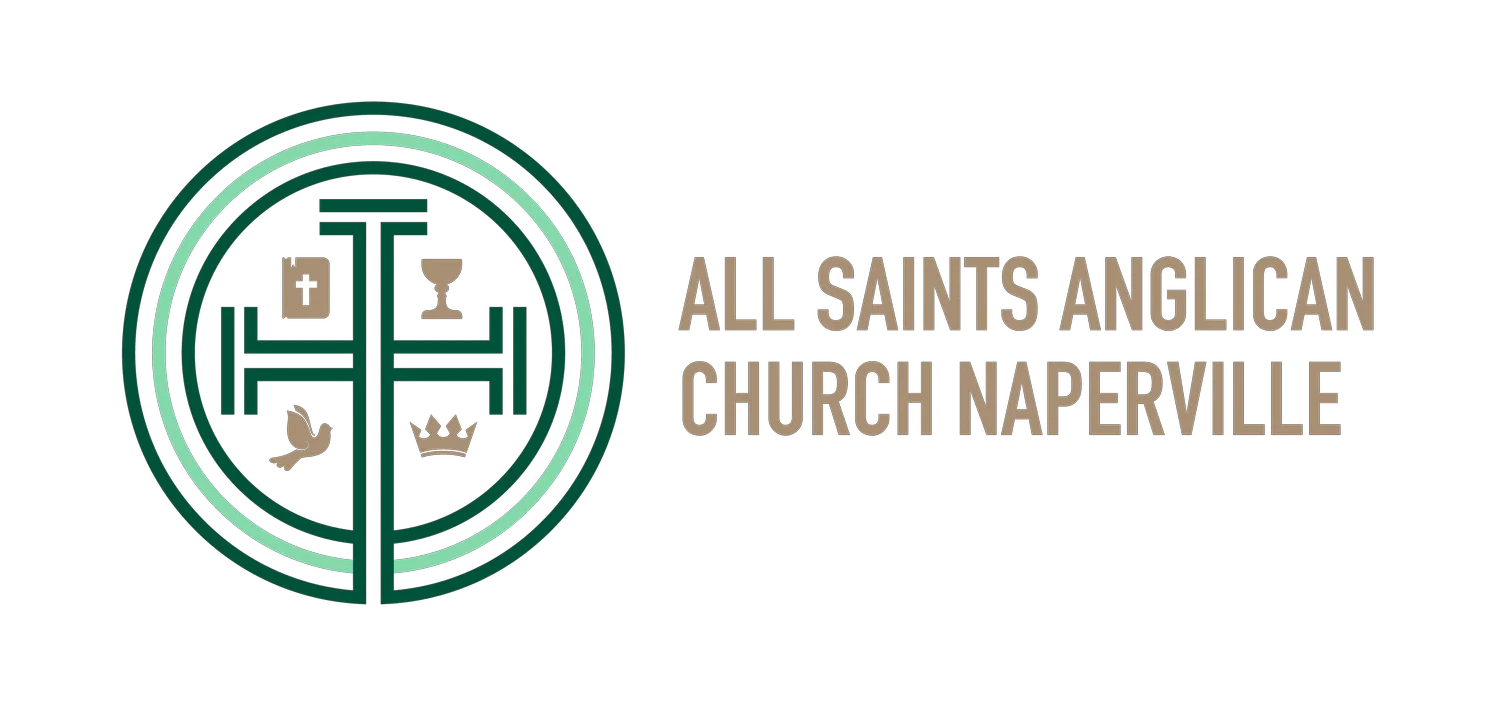
There are four images on our church logo surrounding a cross: A Bible, a Chalice (cup), a Bird, and a Crown. They represent four essential elements of who we are as a church. We are people rooted in the word (Bible), formed by the sacraments (chalice), empowered by the Spirit (bird) and on a mission for the kingdom of God (crown). The cross is at the center because Jesus’ death and resurrection is the power of God to save and heal all that is broken.
-
We believe that Scripture is God’s inspired word to us for our good. The Word of God shapes our lives and serves as the final authority for faith and practice.
-
We belief in the transforming work of the Holy Spirit to change lives, inspire holiness, and empower us to love each other well. The Holy Spirit inspires us to tell others about God’s grace and mercy. We believe that the Spirit remains active and present in the church today.
-
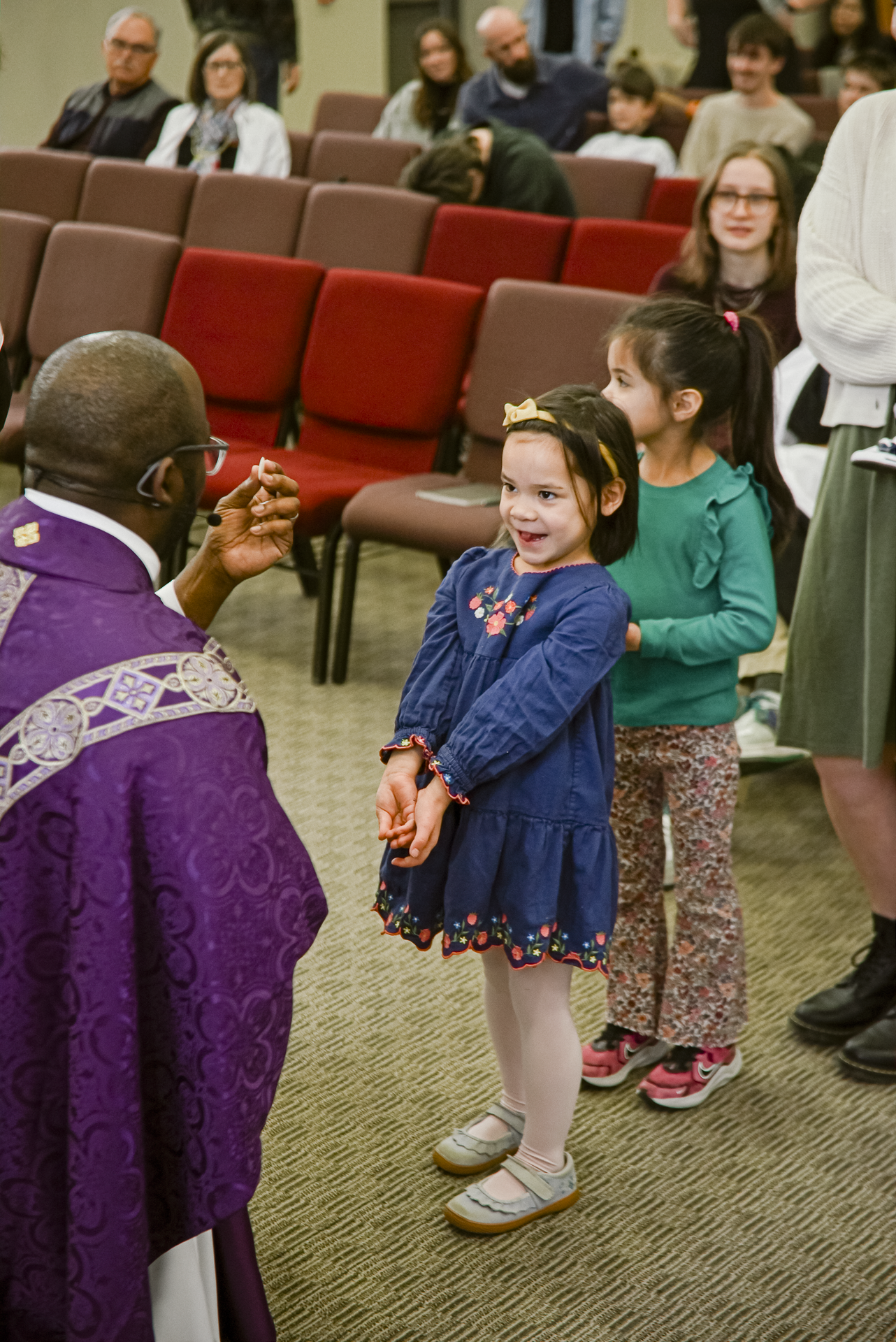
We believe that the prayers, traditions, beliefs, and sacraments of the historic church are good for our souls and serve help us become like Jesus.
-
We believe that God’s kingdom and family is rooted in justice and righteousness. His kingdom and family is open to all making it multicultural and multiethnic. We strive to reflect the values of God’s kingdom in our life together as a church.